Secure the APIs That Power Financial Services
Continuously test and protect your financial API security from real-world attacks. Book a demo to see Equixly in action.
Book a DemoContinuously discover, map, and hack financial APIs using Agentic AI to stop real-world attacks before exploitation.
Banks, fintechs, insurers, and payment providers rely on thousands of interconnected APIs to deliver real-time services. These APIs span internal systems, open banking frameworks, third-party providers, and customer-facing applications. As API ecosystems grow in complexity, visibility gaps and logic-level vulnerabilities increasingly expose financial data, transactions, and trust.
89% of financial services firms experienced an API security incident in the past 12 months
Only ~28.5% know which APIs return sensitive data, creating blind spots in security
Traditional scanners, network controls, and periodic penetration tests fail to detect API-specific threats like business logic abuse, authorisation flaws, and chained attacks. Financial APIs change constantly, creating blind spots that attackers exploit to commit fraud, access sensitive data, or disrupt critical services, often without triggering alerts.
Continuous API discovery and inventory
Agentic AI-driven attack simulation
Dependency-aware risk prioritisation
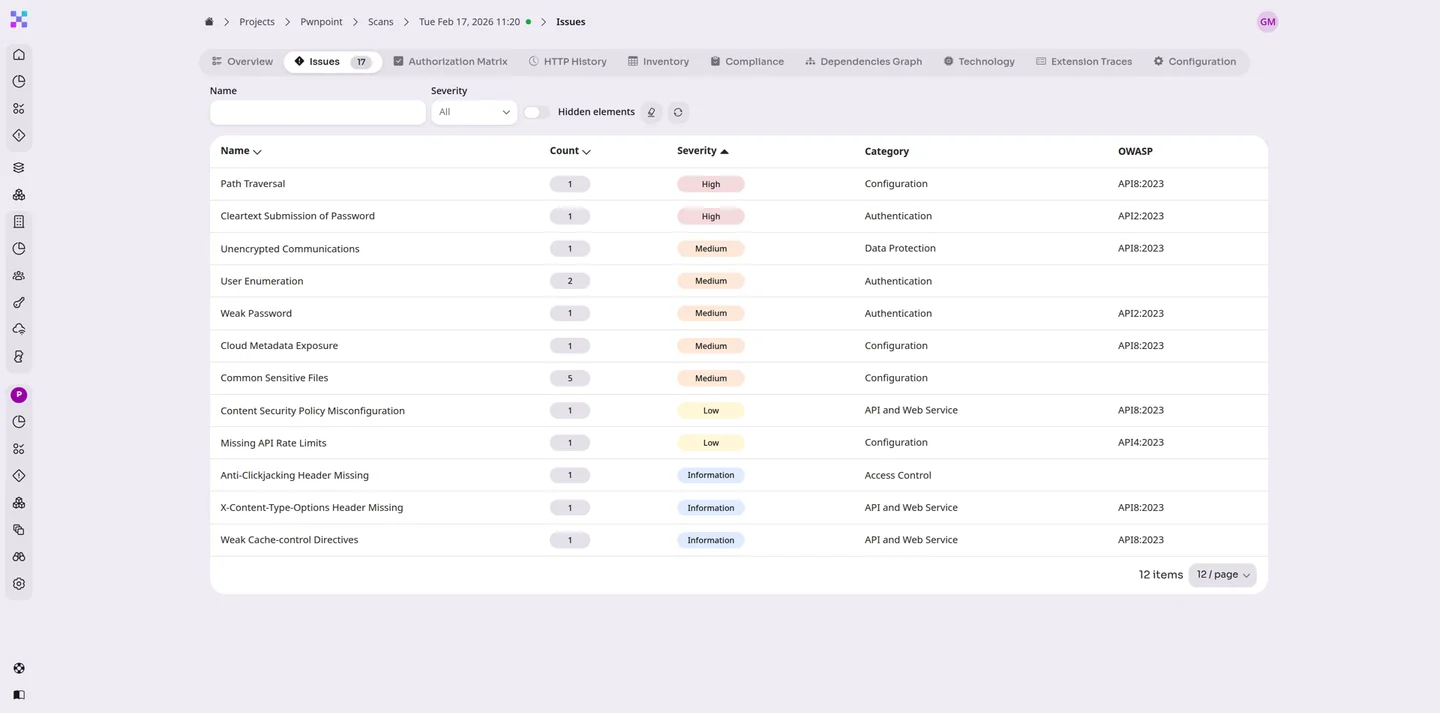
Agentic AI security agents actively simulate real-world financial API attacks, reasoning through workflows, authentication logic, and multi-step exploit chains.
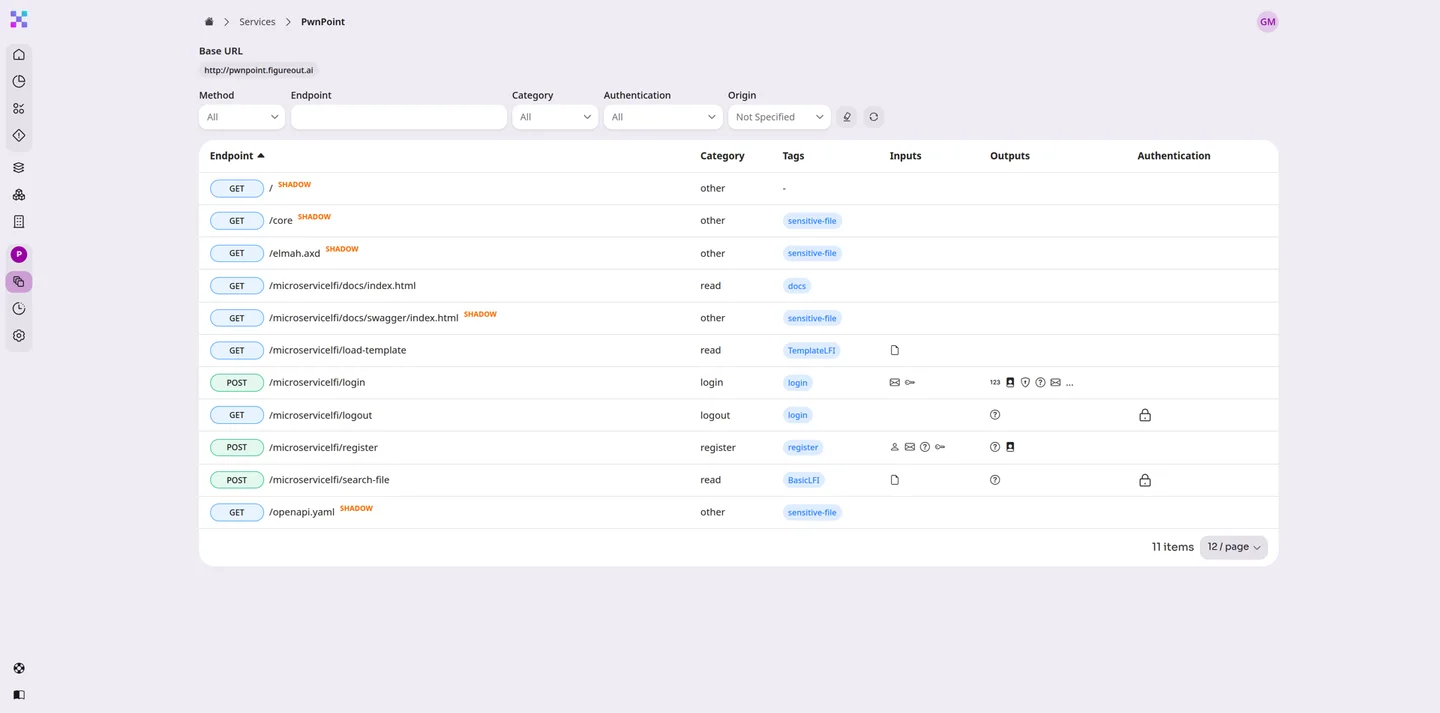
Equixly maps API dependencies and data flows to reveal trust relationships, attack paths, and how a single weakness can cascade across financial systems.
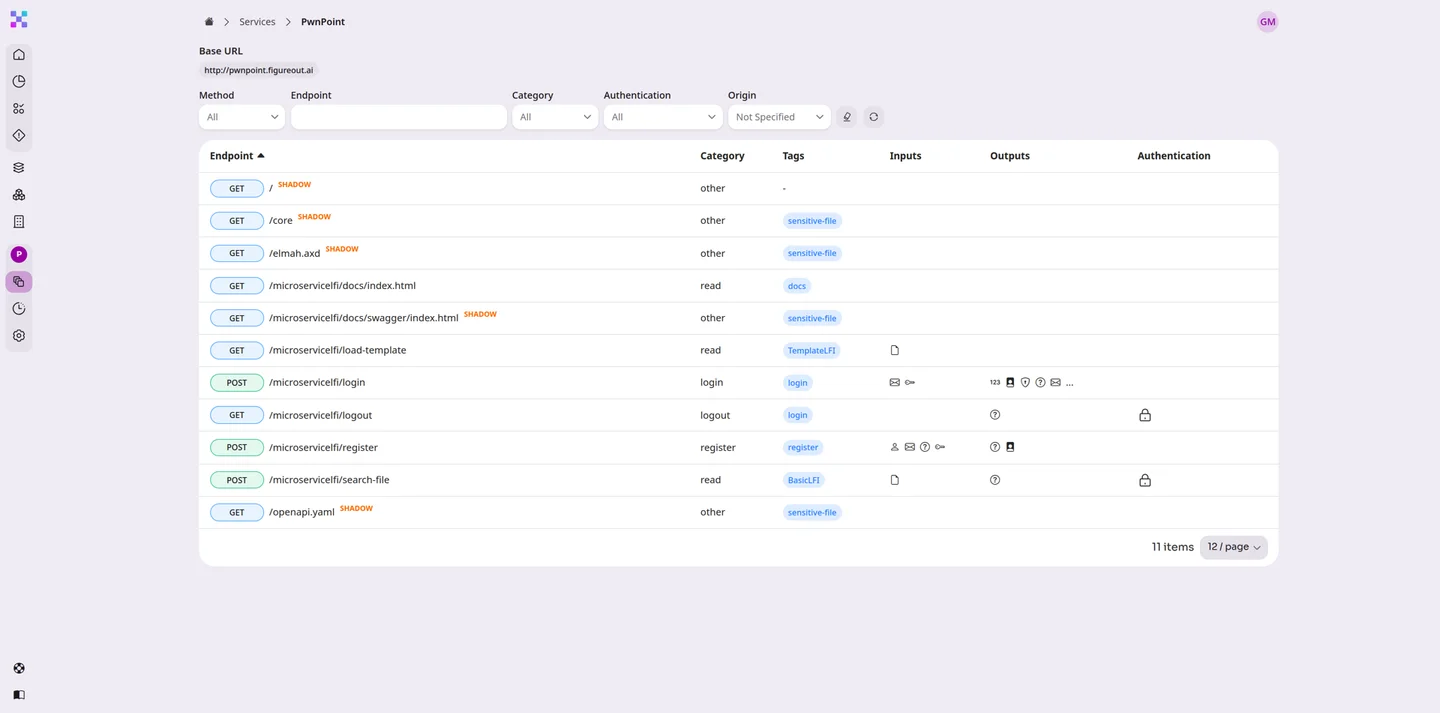
Equixly continuously discovers and inventories every API across cloud, on-prem, partner, and open banking environments -- including undocumented and shadow APIs.
.png)
Equixly delivers prioritised findings with clear risk context, exploitation details, and remediation guidance aligned to financial compliance requirements.
FAQs
Financial services APIs expose the most sensitive and valuable data in any industry like account balances, transaction histories, payment instructions, identity credentials, and credit decisions. They power everything from mobile banking and open banking integrations to fraud detection engines and real-time payment rails. That makes them the primary target for financially motivated attackers. The specific risk that conventional tools miss is business logic abuse. Attackers don't just look for technical flaws they probe how financial workflows behave when manipulated. Can a payment be duplicated through a race condition in an API? Can an authorisation check be bypassed by chaining two API calls in an unexpected sequence? Can an open banking integration be exploited to access account data belonging to a different customer? These are the attack patterns driving modern financial breaches and they require an adversary that tests how your APIs behave end to end, not just what endpoints exist. Third-party and open banking APIs add further complexity. As financial institutions integrate with fintechs, payment processors, and data aggregators, the attack surface expands beyond their own perimeter. A logic flaw or excessive permission in a partner API can expose customer data or enable fraud at scale often without triggering any internal alert.
Traditional API scanners operate against a fixed list of known vulnerability signatures. They check whether an endpoint is present, whether it responds correctly, and whether it matches patterns associated with common weaknesses. They don't reason about how your APIs work together. Equixly's Agentic AI Hacker approaches your API ecosystem the way a skilled attacker would, exploring workflows end to end, chaining API calls across services, and adapting its attack strategy based on how the system responds. It finds the vulnerabilities that only become visible when APIs are tested in combination: authorisation bypasses that require three specific calls in sequence, data exposure paths that emerge from how your authentication and session logic interact, and business logic flaws that no signature-based tool would ever flag. The result is a significantly lower false positive rate and a much higher rate of findings that represent real, exploitable risk, exactly the clarity that financial services security teams need to prioritise remediation effectively.
Yes, and the nature of continuous testing provides a stronger evidential foundation for each framework than periodic assessments alone. PCI DSS requires penetration testing of cardholder data environments and the systems that connect to them. Equixly provides continuous validation of payment-related APIs, confirming that authentication controls, data access boundaries, and encryption implementations remain effective as systems change, and generating ongoing evidence of control effectiveness for QSA review. PSD2 mandates strong customer authentication and secure API communication for payment service providers operating under open banking. Equixly continuously tests the authentication flows, token handling, and data access controls that PSD2 governs, ensuring that open banking API implementations remain compliant as they evolve. DORA, the EU Digital Operational Resilience Act, requires financial entities to demonstrate genuine, continuous cyber resilience rather than periodic compliance snapshots. Continuous API penetration testing is directly aligned with DORA's intent: providing documented, ongoing evidence that API-driven systems are actively tested, that vulnerabilities are identified and remediated promptly, and that security posture keeps pace with operational change.
Yes. Equixly tests internal, external, and third-party APIs, including the open banking integrations and partner connections that sit at the edge of your environment and often carry the highest risk. Third-party APIs in financial services are particularly high-risk for a specific reason: they frequently aggregate credentials and operate with broad permissions across multiple services. A single compromised or misconfigured partner API can expose data from many underlying systems, not just the integration point itself. Equixly maps these dependency relationships and tests the trust boundaries between your systems and your partners, revealing where an external API connection could become an internal exposure.
Equixly delivers continuous penetration testing. The Agentic AI Hacker operates persistently against your live API environment, discovering new endpoints as they appear, retesting changed APIs as they evolve, and validating fixes as they are deployed. There is no test window, no fixed scope, and no gap between when your APIs change and when that change is assessed for security risk. This is a fundamental shift from traditional penetration testing, where findings reflect what was true on the day of the engagement. In financial services, where APIs change with every release cycle and open banking integrations evolve continuously, point-in-time testing creates precisely the blind spots that attackers exploit.
Yes. Equixly is built for the full financial services ecosystem, from tier one banks managing thousands of APIs across complex legacy and cloud-native architectures, to fintechs operating API-first platforms under open banking frameworks, to insurers handling sensitive personal and claims data across partner integrations. The platform is already trusted by leading European banks, insurers, and payment providers, organisations operating under the most demanding regulatory environments in financial services. Whether the priority is PCI DSS, PSD2, DORA, GDPR, or all four, Equixly's continuous testing model provides the evidence and assurance those frameworks increasingly require.