Protect Patient Data Across Every API
Continuously test and secure healthcare APIs with Agentic AI. Book a demo to see how Equixly reduces real-world risk.
Book a DemoContinuously discover, map, and hack healthcare APIs using Agentic AI to protect patient data and clinical systems.
Healthcare APIs connect hospital EHR systems, patient portals, laboratories, insurers, and medical devices. These integrations span legacy and modern platforms while handling highly sensitive personal and clinical data. As interoperability increases, so does API complexity, creating blind spots that attackers exploit to access medical data through API vulnerabilities without disrupting operations.
60% of hospitals in developed countries now use healthcare APIs to integrate electronic health records (EHRs)
Electronic Health Records (EHR) contain up to 20x more valuable data than financial records on the dark web.
Healthcare API vulnerability testing requires continuous, context-aware assessment, not periodic scans. Periodic testing quickly becomes outdated as integrations change. These gaps leave healthcare organisations vulnerable to silent data breaches that compromise patient trust, regulatory compliance, and operational continuity.
Secure healthcare APIs. Book a demo.Continuous API discovery across legacy and modern systems
AI-driven attack simulation for healthcare workflows
Data flow and dependency-aware risk analysis
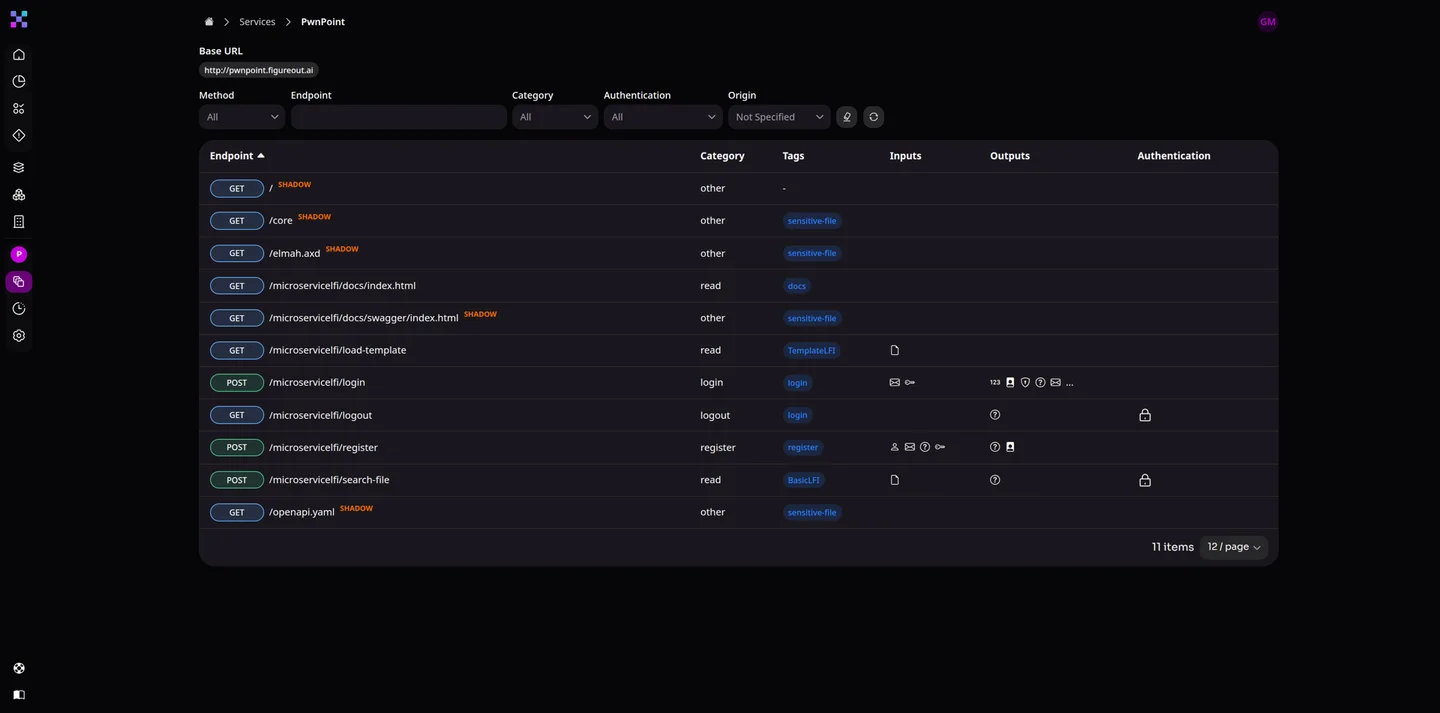
Equixly continuously discovers and inventories all healthcare APIs, including internal, external, partner, and undocumented endpoints across hybrid environments.
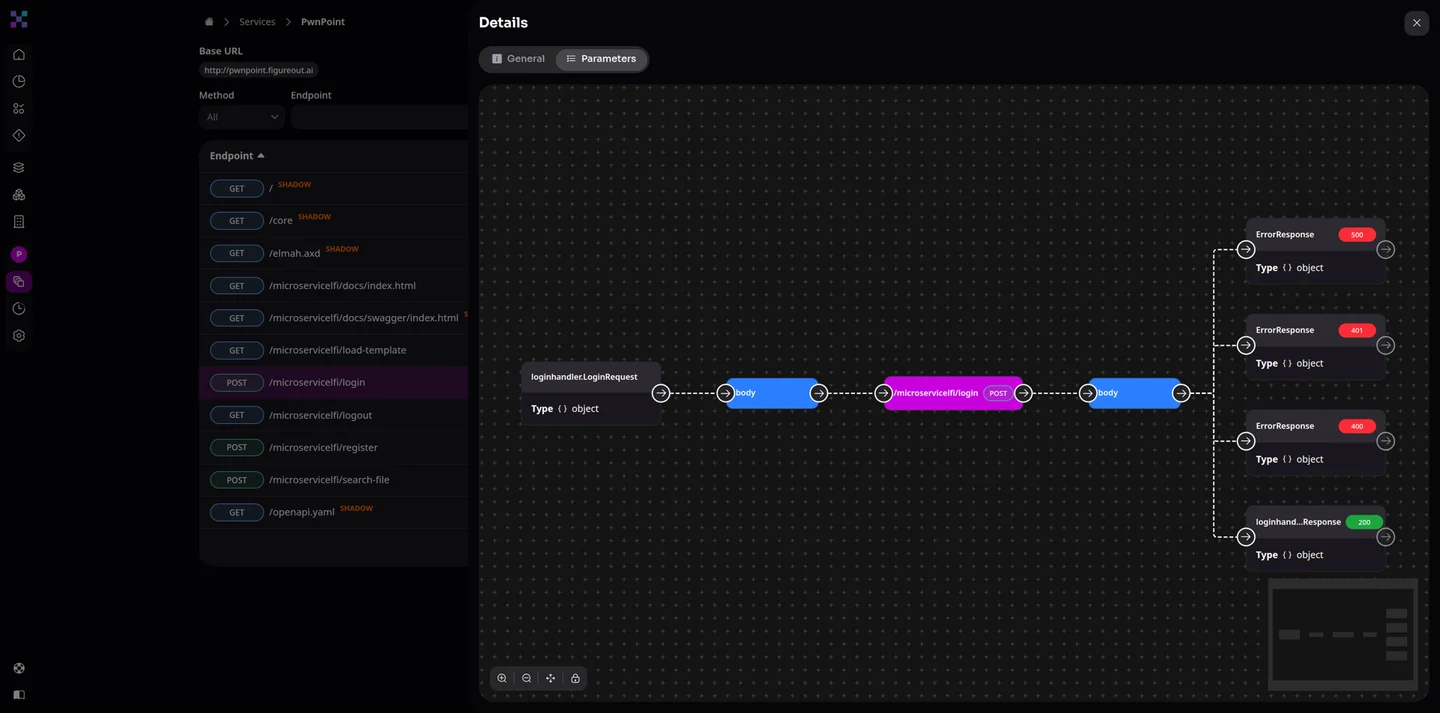
Equixly maps healthcare API dependencies and data flows to reveal how sensitive patient information travels across systems and trust boundaries.
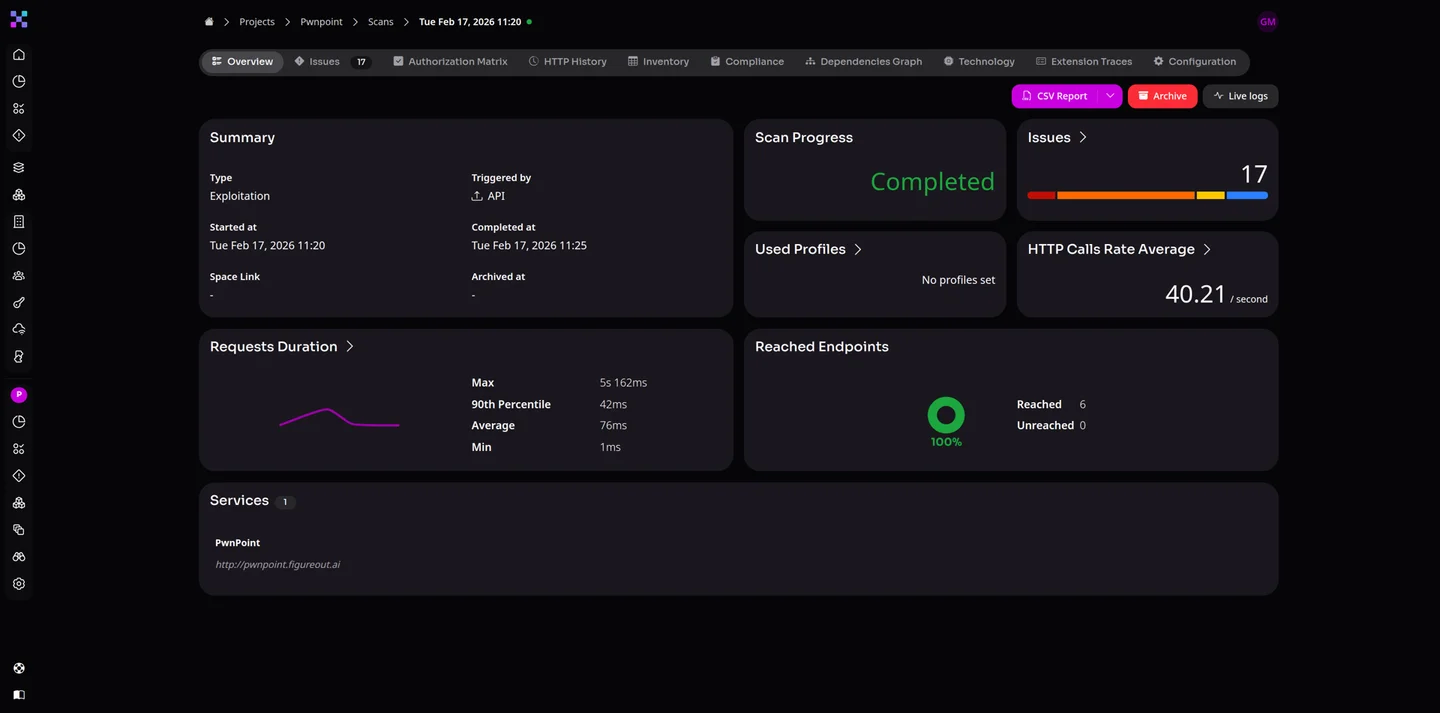
Agentic AI security agents simulate real-world attacks against healthcare APIs, testing authentication, authorisation, and workflow logic across interconnected systems.
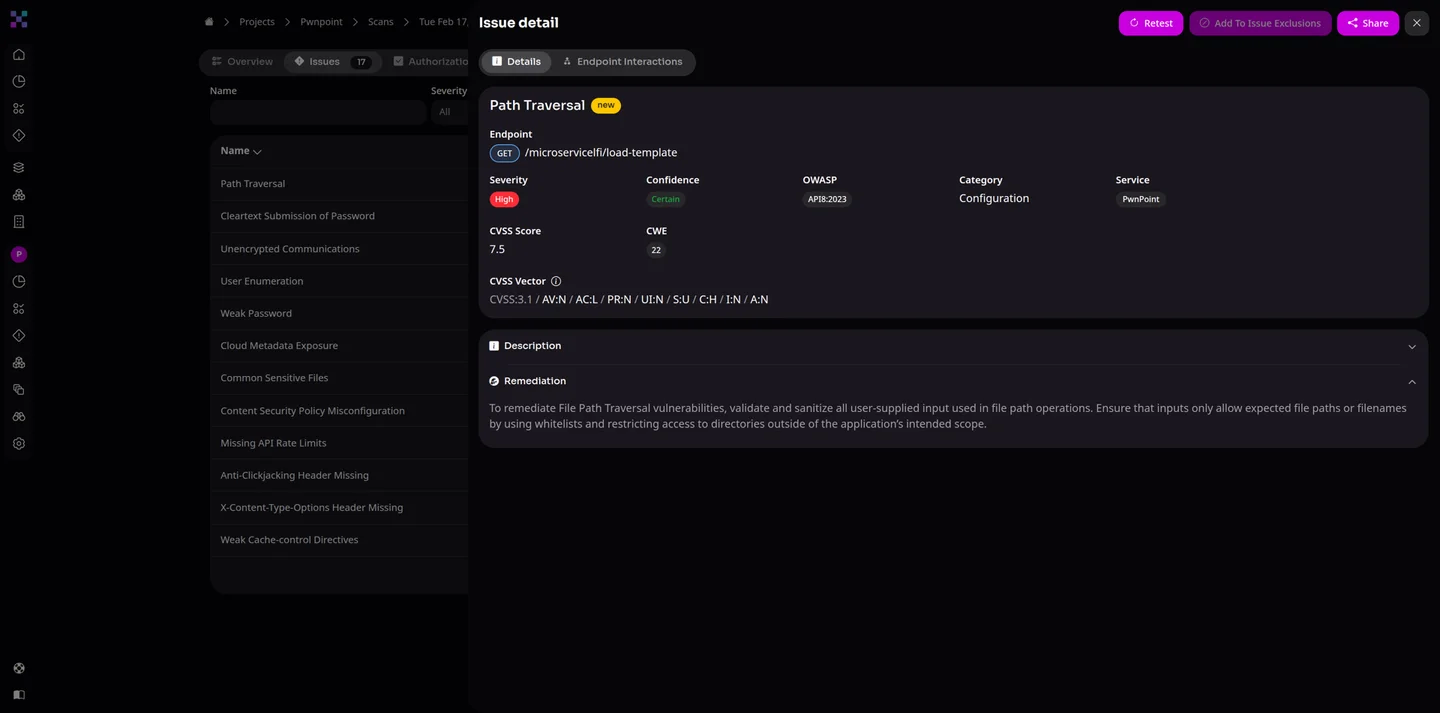
Equixly provides prioritised findings with clear remediation guidance tailored to healthcare IT, security, and compliance teams.
FAQs
Healthcare APIs carry some of the most sensitive data that exists with patient records, clinical histories, diagnostic results, prescription information, and insurance details. They connect EHR systems, patient portals, laboratories, imaging platforms, insurers, and increasingly, medical devices. That breadth of connectivity, combined with the sensitivity of the data involved, makes healthcare APIs a consistently high-value target for attackers. The specific challenge is that many healthcare API integrations span legacy and modern systems simultaneously. FHIR-based interoperability APIs sit alongside older HL7 interfaces and bespoke point-to-point connections. This architectural complexity creates blind spots and authentication assumptions that don't hold across all integration types, data access controls that were designed for one system and don't translate cleanly to another, and undocumented endpoints that have never been formally assessed. Attackers probe precisely these boundary conditions, often extracting patient data without triggering any clinical system alert. The consequences of a healthcare API breach extend beyond data loss. Regulatory penalties under GDPR and HIPAA are substantial. Patient trust, once damaged, is difficult to rebuild. And in environments where APIs touch clinical decision systems or medical devices, a security failure can have direct patient safety implications.
Yes. Equixly tests at the API layer which means it assesses the interfaces your systems expose, regardless of the age or architecture of the systems behind them. Legacy EHR platforms, older HL7-based integrations, and proprietary clinical applications all communicate via APIs or integration middleware that can be assessed without requiring direct access to the underlying system or installation of agents. This is particularly relevant in healthcare, where legacy system replacement cycles are long and the integration layer is often where modern and legacy platforms meet. Equixly maps the APIs across your full environment including the connections between older systems and newer cloud-based services and tests them continuously for the vulnerabilities that emerge at those boundaries.
No. Equixly's testing methodology is designed specifically to validate exploitability without affecting system availability or operational continuity. Testing is controlled, non-disruptive, and does not send destructive payloads or generate the kind of load that would affect clinical performance. This is a common and entirely legitimate concern for healthcare security teams. Clinical systems availability is non-negotiable, a testing approach that carries any risk of disruption is not appropriate in this environment. Equixly operates at the API interaction layer, assessing how endpoints respond to attack scenarios in a controlled way that does not impact underlying system function, database integrity, or patient-facing service availability.
Each framework approaches security assurance differently, but all three are moving in the same direction, toward continuous, demonstrable evidence of active risk management rather than periodic audit snapshots. HIPAA requires covered entities and business associates to implement technical safeguards protecting electronic protected health information, including access controls, audit controls, and transmission security. Continuous API penetration testing provides ongoing evidence that the APIs handling ePHI are actively assessed for authentication weaknesses, authorisation bypass risks, and data exposure, supporting both internal governance and OCR audit requirements. GDPR requires appropriate technical measures to ensure security of personal data processing. For healthcare organisations handling patient data, continuous API testing demonstrates that privacy risks are being actively identified and managed, and directly supporting data protection impact assessments and regulatory accountability obligations. NHS DSP Toolkit requires NHS organisations and suppliers to provide evidence of compliance with data security and protection standards. Continuous API security testing generates documented evidence of ongoing testing activity, vulnerability identification, and remediation directly supporting DSP Toolkit assertions and CQC inspection readiness.
Yes. Healthcare organisations integrate with a wide range of third parties like diagnostic laboratories, imaging providers, insurers, pharmacy systems, referral platforms, and increasingly, digital health applications. Every one of those integrations is an API connection that sits at the boundary of your environment and may expose patient data or clinical workflows to risk from outside your direct control. Equixly continuously discovers and tests these third-party integration points, assessing authentication strength, data access scope, and the presence of excessive permissions that could be exploited if a partner system or credential is compromised. This is particularly important for healthcare organisations operating under NHS data sharing agreements or GDPR data processor relationships, where third-party security is part of your own compliance obligation.
Yes. Equixly supports both public sector NHS organisations and private healthcare providers including acute trusts, community healthcare providers, private hospital groups, digital health platforms, and healthcare technology suppliers. For NHS organisations, this includes support for DSP Toolkit compliance, FHIR API security testing in line with NHS England's interoperability roadmap, and testing of the integration APIs that connect NHS systems with partner and supplier platforms. For private healthcare, the focus typically covers GDPR, ISO 27001, and the specific API security requirements that enterprise insurance and referral partnerships increasingly demand as part of their supplier assurance processes.