Protect the APIs That Power Critical Infrastructure
Continuously test and secure energy and utilities APIs with Agentic AI. Book a demo to reduce operational risk.
Book a DemoContinuously discover, map, and hack APIs using Agentic AI to protect critical energy and utilities infrastructure.
Energy and utilities providers increasingly rely on APIs to connect operational systems, cloud platforms, smart meters, partner services, and customer applications. These APIs bridge IT and OT environments, creating complex dependencies. Without clear visibility and continuous testing, energy sector API vulnerabilities can expose critical infrastructure, disrupt services, and create regulatory risk.
Energy/utilities reported the highest number of API security incidents in a year (91%)
60% said that AI-generated attacks are the top threat vector Energy leaders are concerned about
Network-based controls and static testing fail to detect API-specific threats that cross system boundaries. Periodic testing cannot keep pace with changing integrations and digital transformation initiatives. These gaps leave energy and utilities providers exposed to attacks that can disrupt services, compromise safety, and violate regulatory requirements.
See How Equixly WorksContinuous API discovery across IT and OT
Dependency-aware attack path analysis
Agentic AI-driven attack simulation
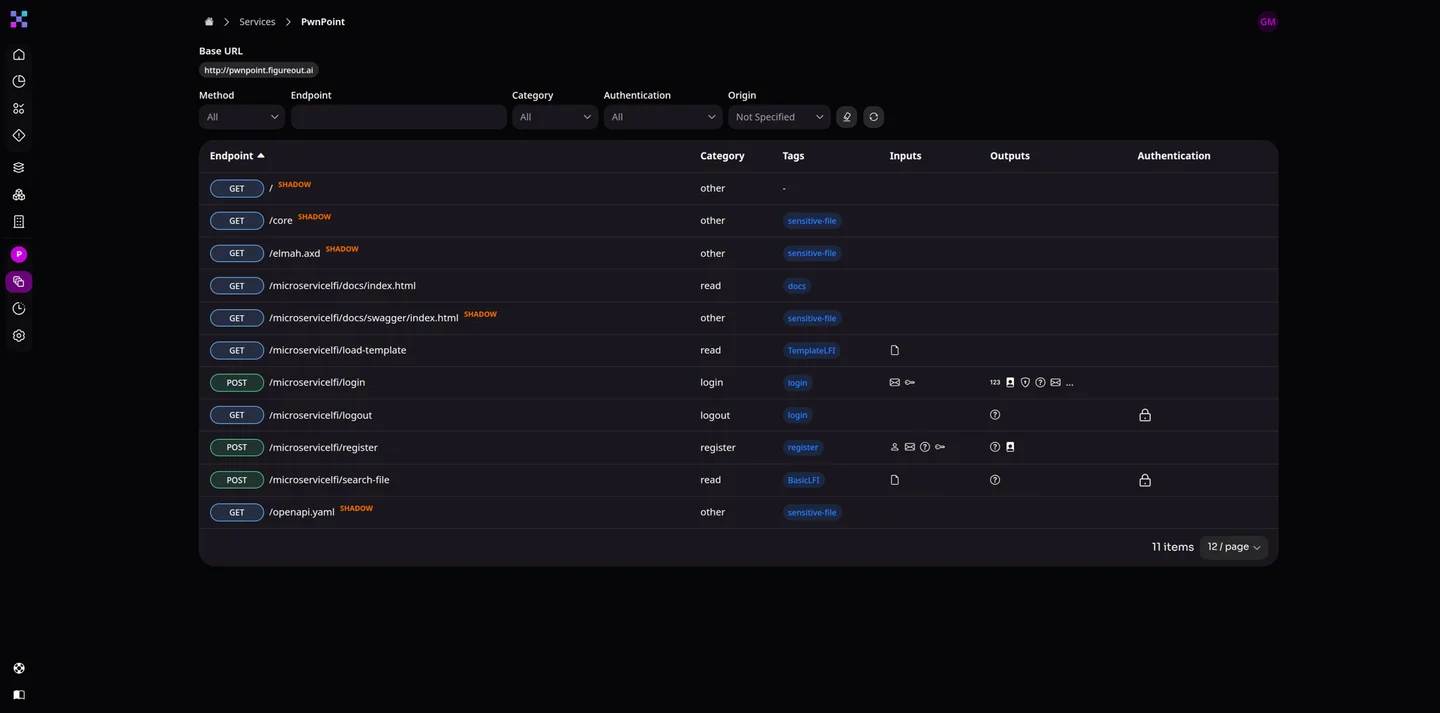
Equixly continuously discovers and inventories APIs across operational systems, cloud platforms, and partner environments.
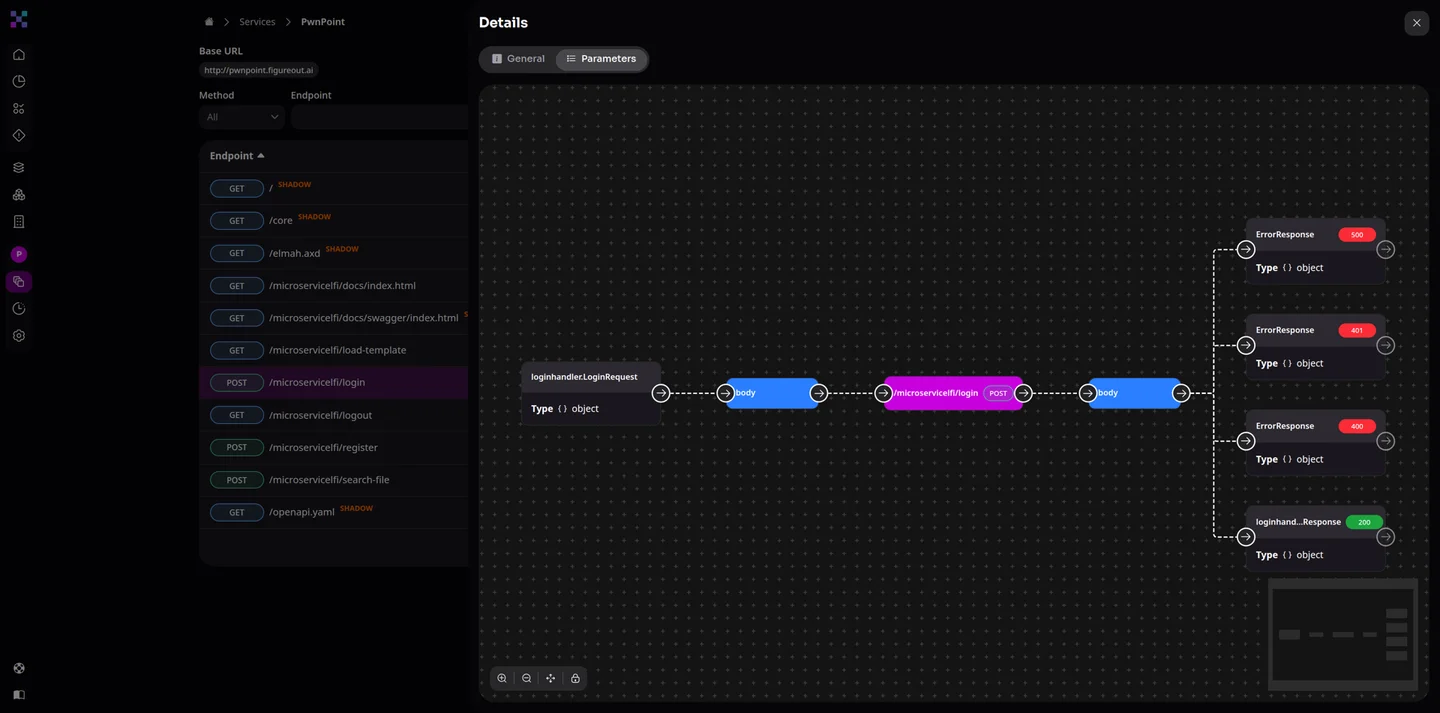
Equixly maps how APIs interact across IT and OT systems to reveal attack paths and operational risk.
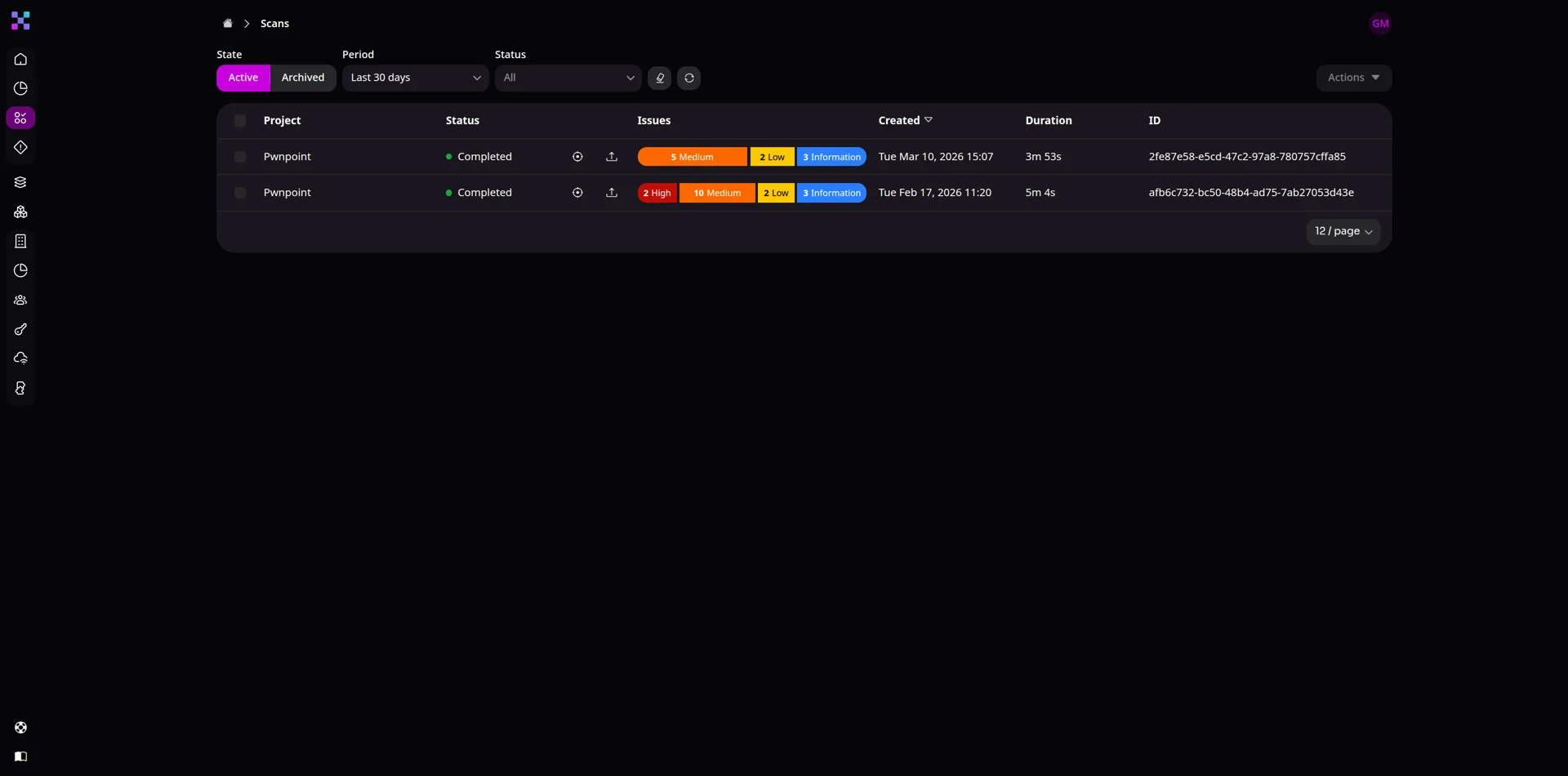
Agentic AI security agents simulate real-world attacks against energy and utilities APIs, adapting to system behaviour and responses.
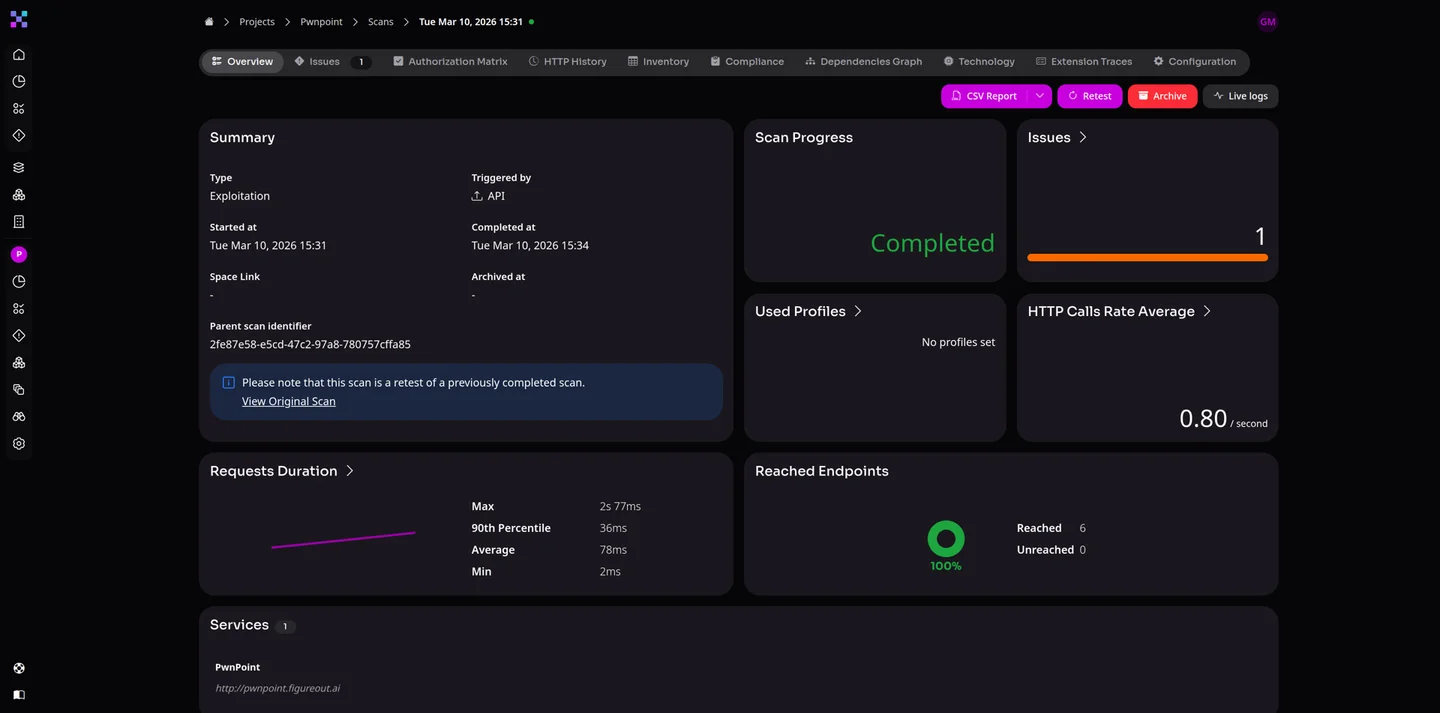
Equixly provides prioritised findings and remediation guidance aligned to energy and utilities regulatory requirements.
FAQs
Energy and utilities organisations rely on APIs to connect IT systems, operational technology (OT), smart meters, customer portals, billing platforms, and third-party suppliers. These APIs often expose sensitive operational and infrastructure data. If compromised, they can disrupt service delivery, impact grid reliability, or expose critical infrastructure to cyber threats.
Continuous API penetration testing identifies exploitable vulnerabilities before attackers can disrupt energy distribution, billing systems, or remote operations. By validating authentication, authorisation, and data exposure risks regularly, organisations strengthen digital operational resilience and reduce downtime risk.
Yes. NIS2 and similar critical infrastructure regulations require organisations to implement appropriate and proportionate cybersecurity measures, including risk management and regular testing. Continuous API penetration testing provides documented evidence of ongoing security validation and control effectiveness.
Traditional penetration testing typically focuses on networks and perimeter controls. Equixly focuses specifically on API-driven attack surfaces -- validating business logic, access controls, and application-layer vulnerabilities that traditional infrastructure testing may overlook.
Yes. Testing is controlled and non-disruptive. It validates exploitability without affecting operational availability, ensuring that energy distribution, monitoring systems, and customer-facing services remain stable during assessments.
Yes. Energy providers frequently integrate with grid operators, IoT vendors, and service providers via APIs. Continuous API penetration testing ensures these integration points are assessed for authentication weaknesses, misconfigurations, and excessive data exposure -- reducing supply chain cyber risk.
IT security focuses on protecting data, applications, and business systems ie the information layer. OT security focuses on the physical systems that control industrial processes like SCADA systems, PLCs, smart meters, and grid infrastructure. In energy and utilities, the risk is at the boundary between them. APIs increasingly connect IT and OT systems, creating paths through which a compromise in a business application can reach operational technology. Equixly tests these cross-boundary API connections specifically, identifying the attack paths that neither IT-focused tools nor OT-focused controls are designed to see.