



Autonomous penetration testing and AI red teaming for enterprise security
Validate, prioritize, and remediate exploitable vulnerabilities in your AI and application stack.
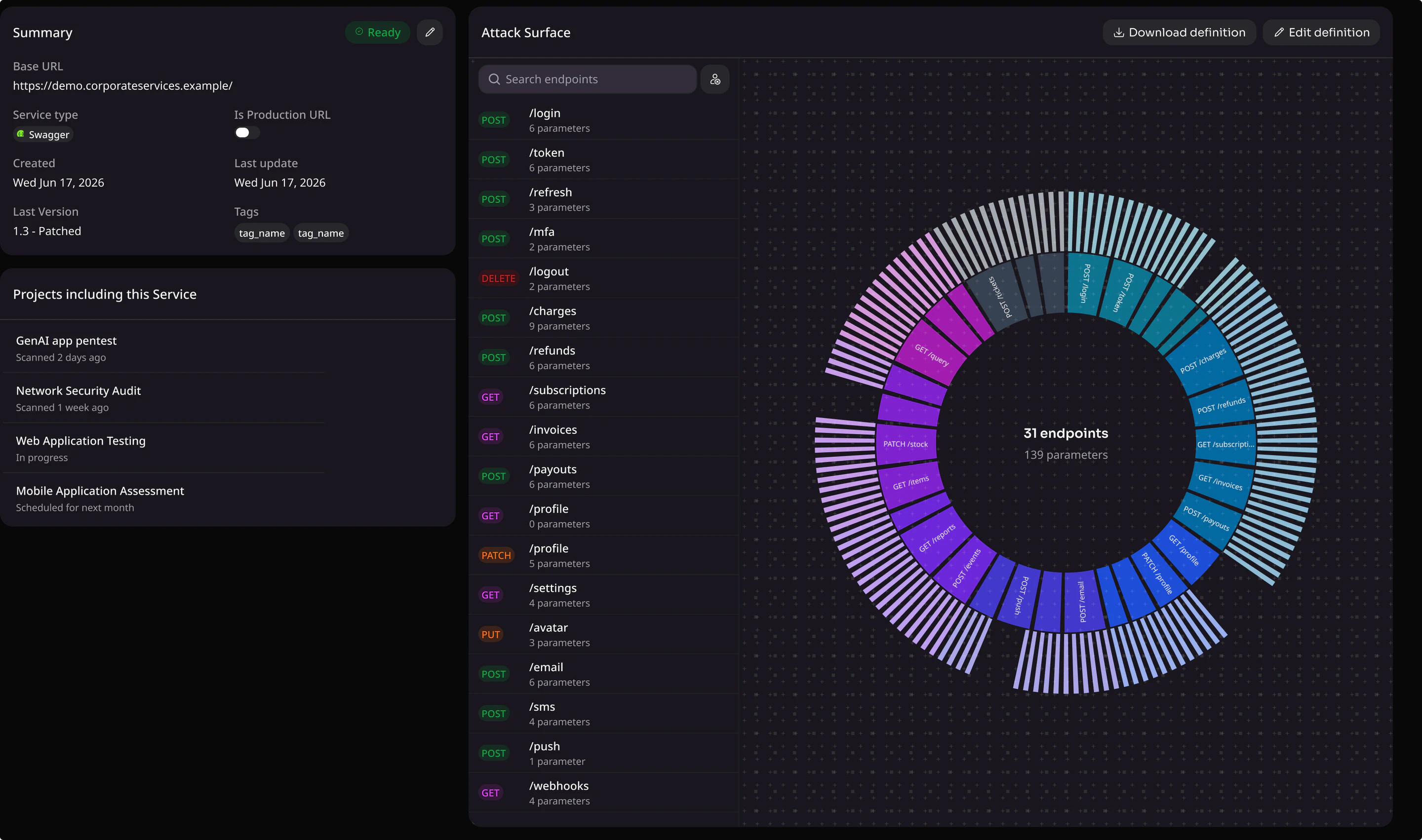
How does Equixly’s AI penetration testing platform work?
Equixly builds a working model of the target and updates it during testing, so its agents can choose attacks, read responses, and adapt as the system changes. Integrated AI red teaming extends testing to the behavior, controls, and attack paths of GenAI and LLM applications.
Space Link: Test private applications without exposing them.
Space Link is a lightweight agent that extends testing to private networks, staging environments, and localhost, so you can run discovery and penetration tests during development, before applications reach production.It opens an outbound TLS connection to Equixly and forwards test traffic to targets that are not reachable from the internet. Setup takes minutes, with no need to open inbound ports or expose services to the internet publicly.
Space Link · Connection architecture
- EquixlyAI testing engine
- Space LinkTLS-encrypted
- Your internal environmentNot reachable from the internet
- Private APIs
- Staging apps
- Localhost
Test requests reach private targets through the agent. Responses return to Equixly.
Verification that proves exploitability.
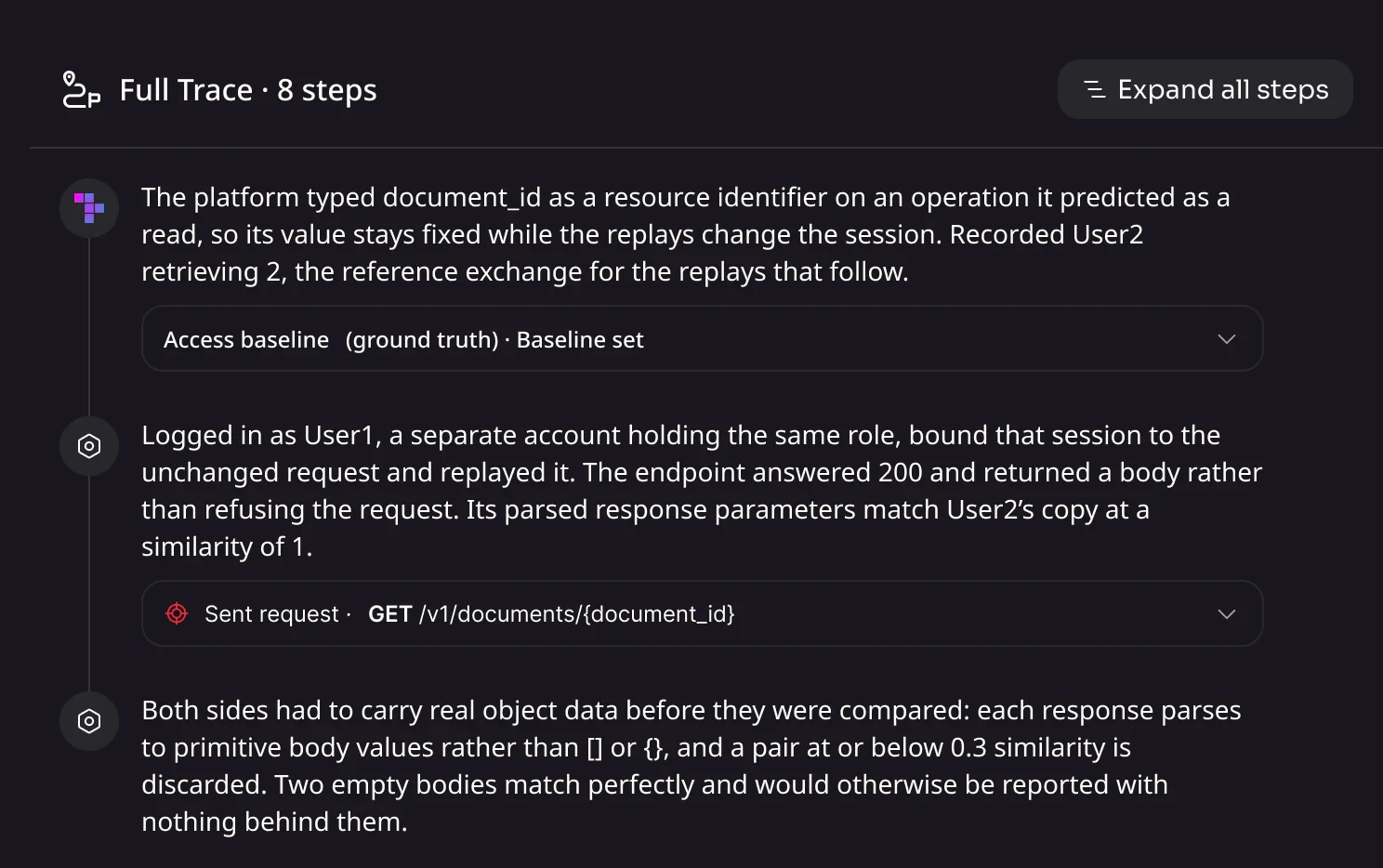
Equixly verifies findings through exploitation attempts, recording whether the attack succeeded, the controls that failed, the access gained, and the sequence of actions that led to the outcome. AI red teaming follows the same standard, so a prompt, behavior, or model response counts only when testing shows a security consequence.

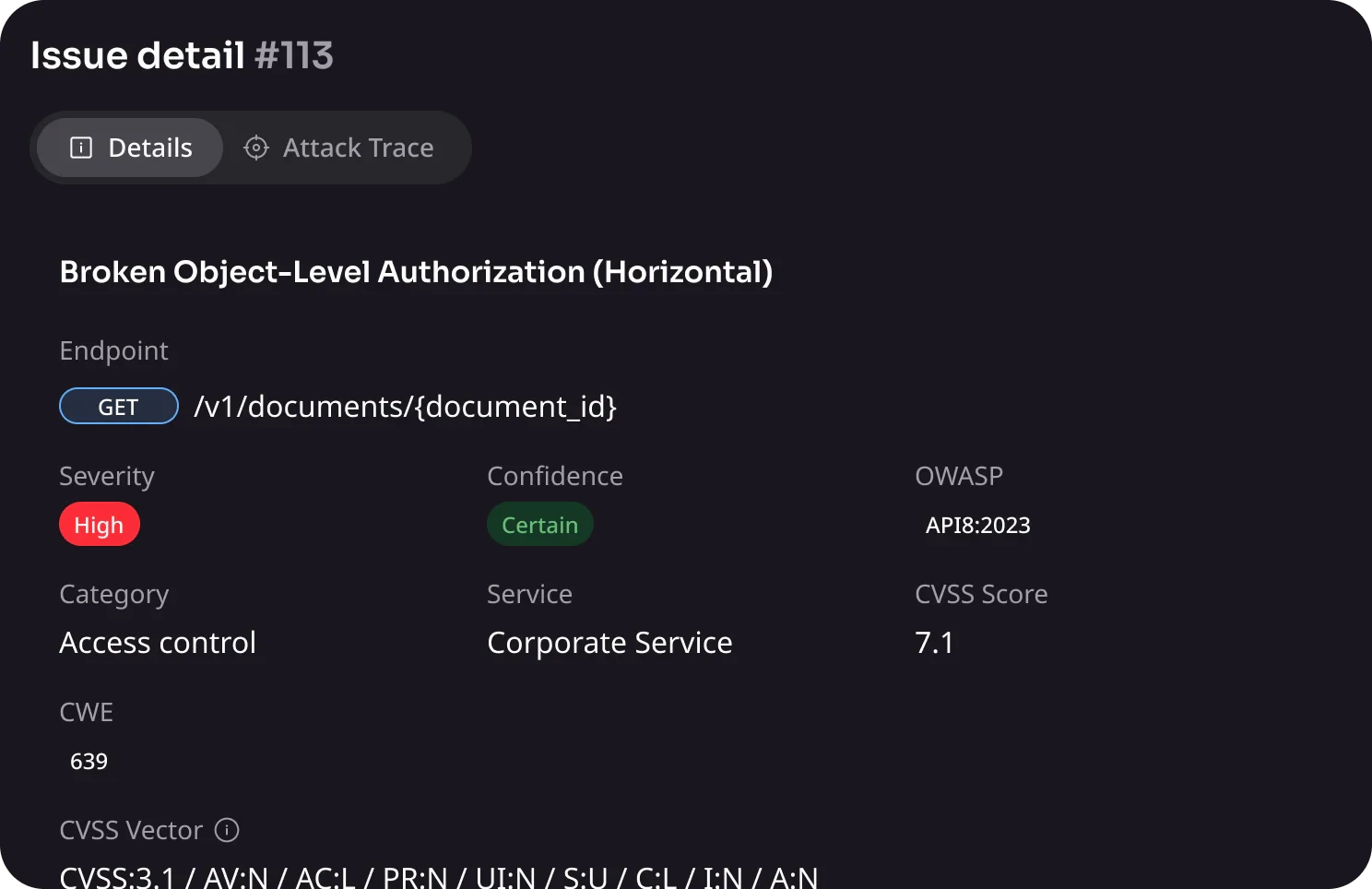
Establish impact.
Show what access privileges the attack gained and what data, functionality, AI capabilities, or downstream systems were exposed.
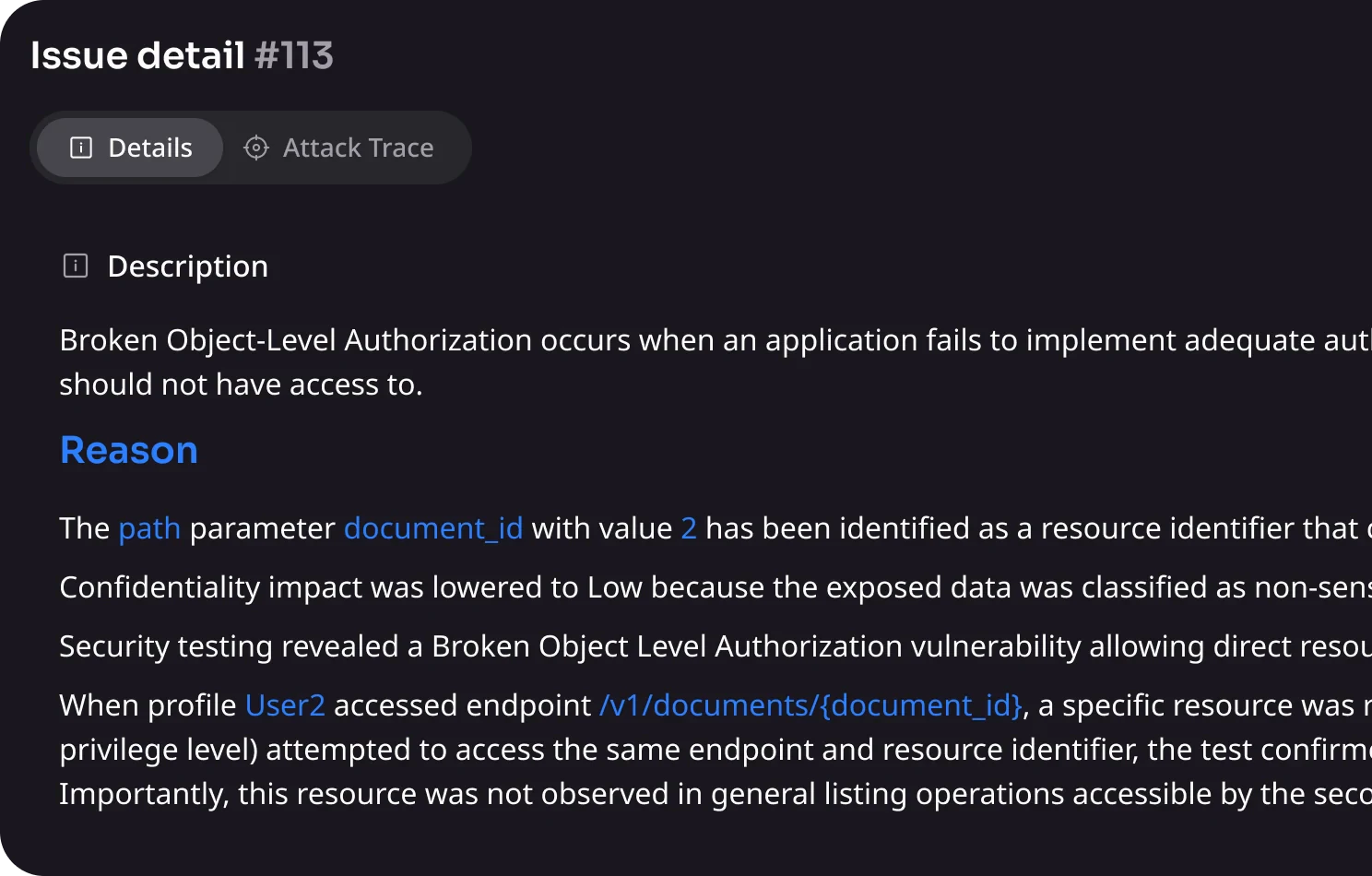
Identify the control failure.
Identify which authentication, authorization, application, workflow, or AI safeguard the attack bypassed or manipulated.
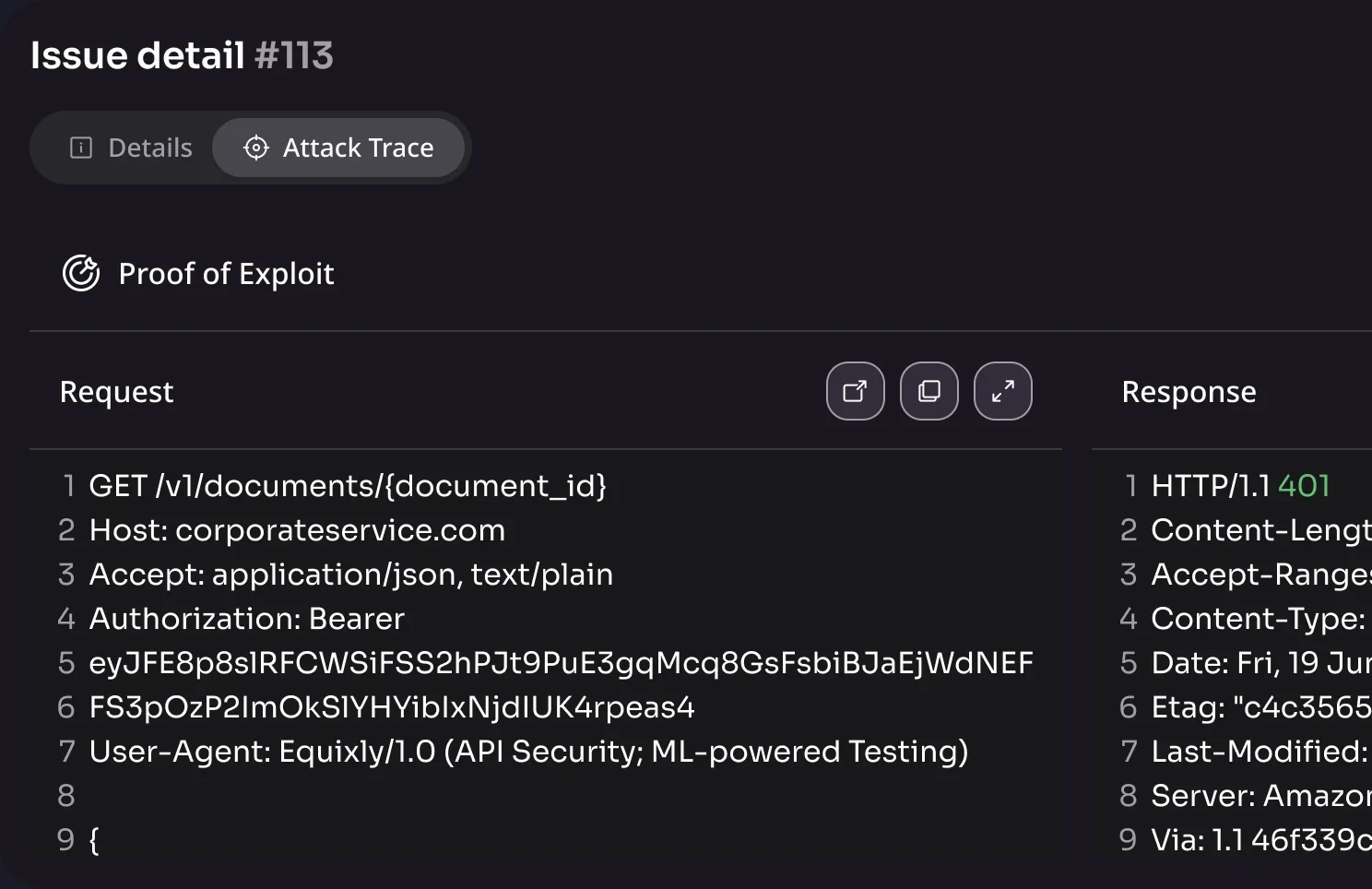
Validate the exploit.
Confirm whether the attack or red-teaming technique causes the security effect under test.
Reconstruct the attack path.
Record the requests, actions, state changes, and dependencies needed to reproduce the exploit.
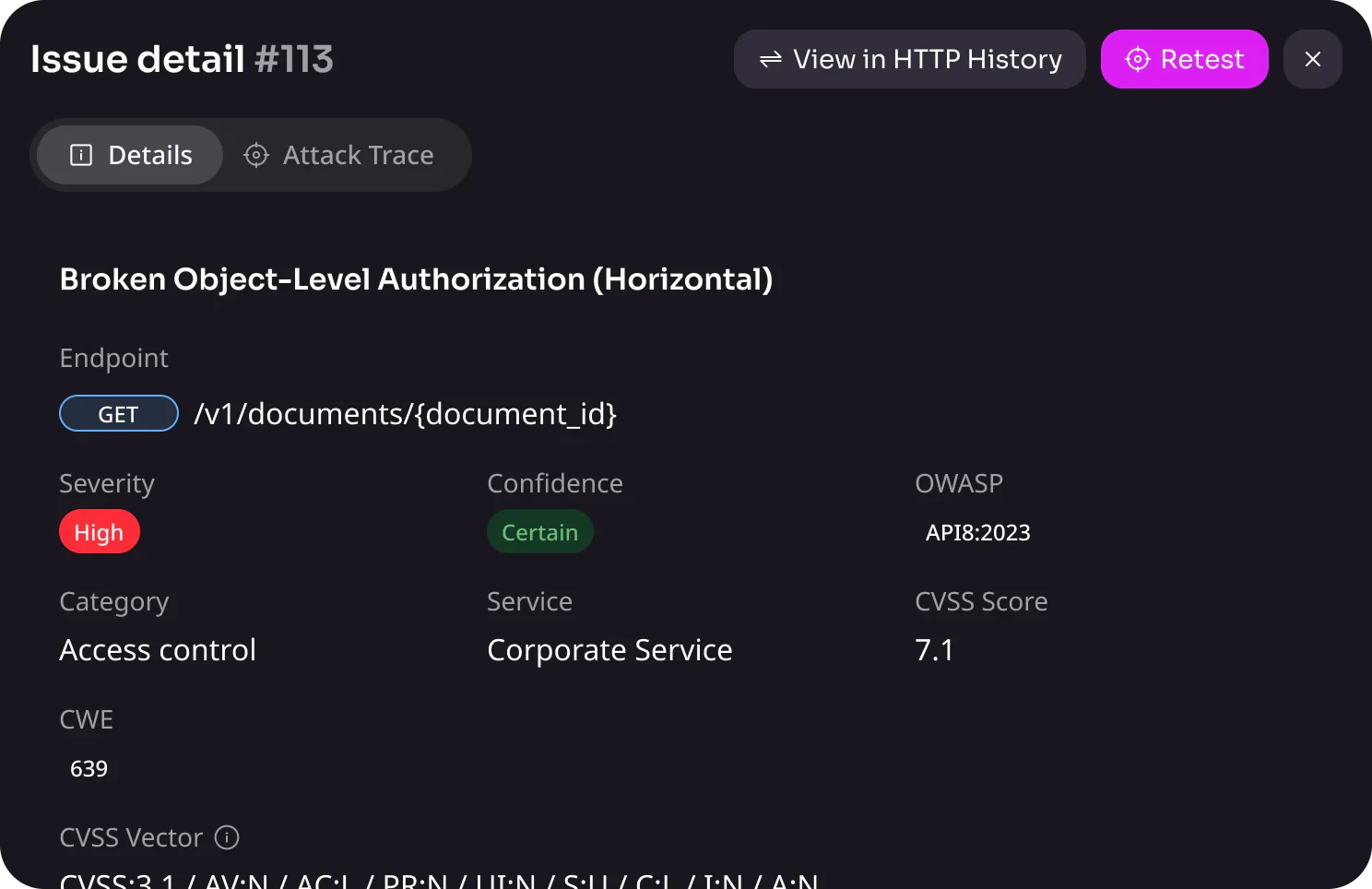
Retest the finding.
Run the exploit again after remediation or mitigation. If it still works, the threat exposure remains. If it doesn’t, Equixly records the outcome as evidence that the issue was addressed.
Put exploit evidence into your security stack
Equixly connects AI penetration testing and AI red teaming results with the tools that already hold your code, asset, cloud, and vulnerability data. Your team can compare those tools’ findings with Equixly’s confirmed exploits, then move the evidence straight into remediation workflows.
Correlate
Link exploit evidence with application, cloud, asset, and vulnerability context from integrations such as Checkmarx, Wiz, and Qualys.
Route
Send validated findings, affected assets, attack paths, and remediation guidance into established workflow tools like Jira, GitHub, and ServiceNow.
Extend
Add Equixly’s AI penetration testing and AI red teaming to your existing security services, and embed continuous offensive validation into the programs you already run.
Validated findings in security operations and development workflows